Rodents cause more headaches for homeowners than just about any other pests. One moment you’re relaxing, the next you spot fresh droppings in the kitchen or hear scratching behind the walls. If you’ve been looking for effective rodent control methods, you’re in the right spot. In this guide, we’ll walk you through how we tackle rodent problems head-on—while honoring our values of responsible solutions, local knowledge, and real results.
We’ve been part of the DC Metro community since 1968, and our journey spans three generations of the Schulz family operating and managing Better Termite & Pest Control. Over the years, we developed an internal research team and removed 9 of the harshest chemicals often used in our industry. In that time, we’ve helped over 100,000 homes rid themselves of mice, rats, and other pests. Here’s what we’ve learned about controlling these unwelcome visitors once and for all.
Our Local Roots and Commitment
Back in 1968, the Schulz family set out to serve neighbors who wanted dependable ways to handle pests—rodents included—without feeling uneasy about the products used around their families. Through digging into thousands of labels, studies, and industry reports, we realized that not all treatments were created equal. We decided to do better.
Today, we’re proud to say we’ve removed 9 troubling chemicals that most companies still rely on. Our products include Essentria, EcoVia, Sentricon, and Borate-based solutions, all carefully chosen to respect your home, your environment, and your loved ones. Our approach has never been about quick fixes alone—it’s about lasting results and building trust.
Why Mice and Rats Are a Serious Issue
If you think a mouse scurrying across your kitchen is just a minor nuisance, think again. Mice and rats pose serious risks to your home and health.
Health and Safety Alert
Mice and rats carry diseases that can spread through their urine, feces, and saliva. Conditions like hantavirus pulmonary syndrome can be life-altering. Additionally, these pests can chew through wires and cause considerable damage to your property, including electrical fires.

They tend to eat practically anything, from leftover dog kibble in the bowl to dried fruit in the pantry. A single female mouse can rapidly lead to a whole mouse population if left unchecked. Even your bird feeders outside can turn into an all-you-can-eat buffet. By the time you notice serious rodent droppings or rat droppings, you might already have an expanding infestation on your hands.
Spotting a Mouse Problem or Rat Infestation
Rodents are sneaky, so you often see subtle clues before you see them in action.
Signs of Rodent Activity
- Chewing Damage: Gnaw marks on furniture, baseboards, or stored food containers. Rodents have near-constant chewing habits.
- Odd Noises: Skittering or scratching in the walls, attic, or crawl spaces—especially at night.
- Droppings: If you spot rat droppings (larger, capsule-shaped) or smaller mouse droppings, you’ve got a potential rodent problem brewing.
- Nests: Mice and rats gather nesting materials like paper and fabric to make cozy hiding spots behind appliances or inside walls.
- Strange Odors: A musty stench could indicate dead rodents decaying in hidden corners.
The Better Method: Our Step-by-Step Approach
Years ago, we asked ourselves, “How do we make rodent control more reliable?” That question led us to develop the Better Method—our proven system that aims to rid your home of mice, rats, and other pests without relying on unnecessary chemicals.
1. Expert Phone Consultation
When you call 703-683-2000, you’ll speak with a licensed technician, not a phone tree. We’ll ask questions to learn if you’re dealing with walls full of scurrying sounds, a recent sighting of a mouse problem under the sink, or something else entirely. Then we’ll offer a custom plan.
2. Thorough Inspection
We start by identifying possible entry points and searching for rodent droppings or chew marks. Our experts also examine common hot spots—like garages, basements, kitchens, and attics—to find out where these pests are nesting. We pay close attention to where you store food, any plumbing leaks, and cluttered areas that offer harborage.
3. Initial Treatment
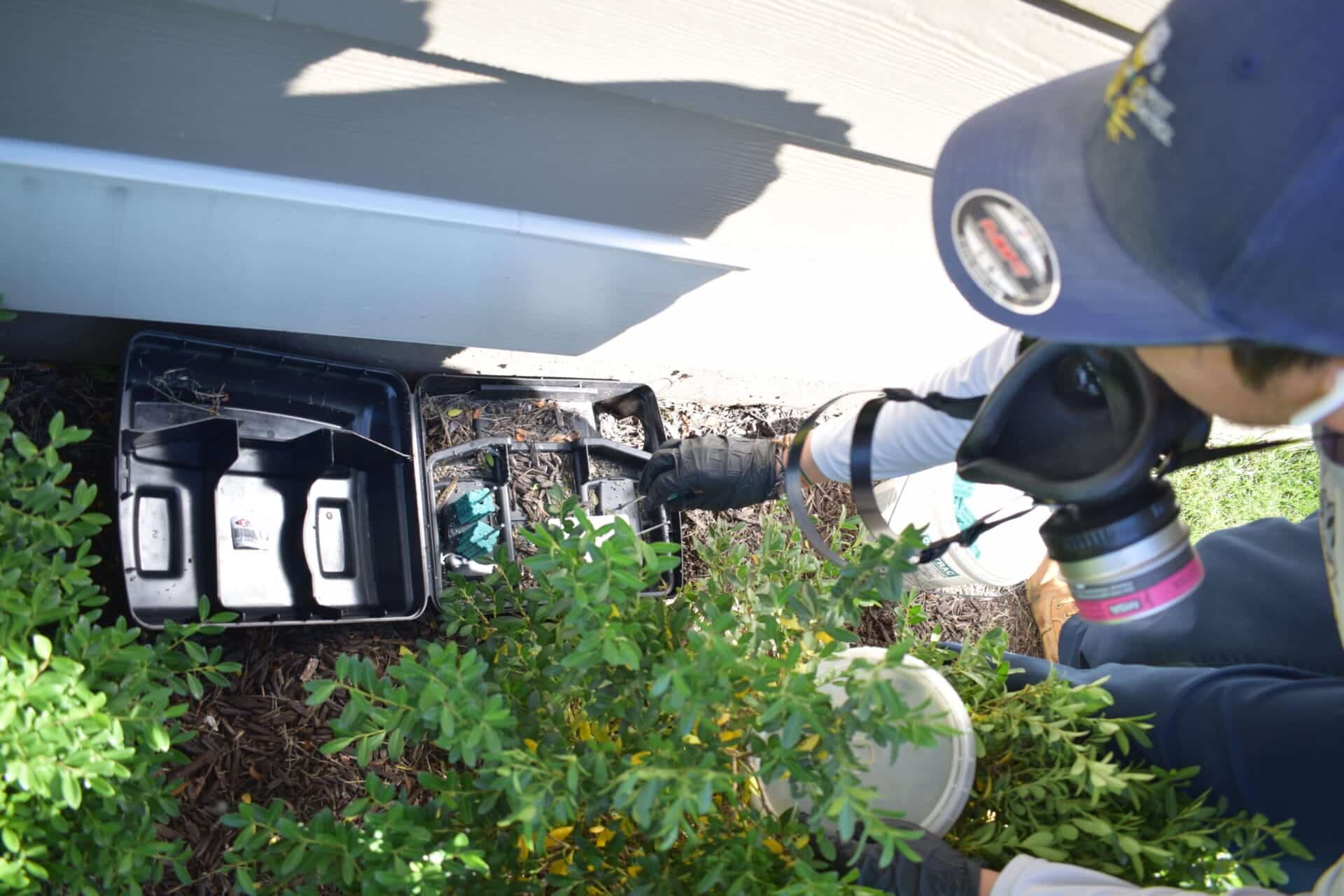
One of the most effective ways to get rid of rodents is through well-placed bait stations. We typically set up tamper-proof bait stations in high-traffic zones so mice or rats will find them quickly. We also employ snap traps or mouse traps to provide immediate knockdown in areas with heavy rodent infestations. Learn more about our treatment strategy here: rodent services.
- Bait: We use specialized bait inside these stations that appeal to rodents’ sense of smell and taste.
- Traps: Snap traps catch rodents quickly so you don’t risk encountering dead rodents inside your walls. We may also recommend additional mouse traps if we see a fast-growing mouse population.
4. Follow-Up Visits and Maintenance
We usually check back in about one and three weeks after the first treatment to confirm the bait stations are effective. Rodents can be clever, so consistent monitoring is key. Afterward, routine visits—often quarterly—keep mice and rats from making a comeback.
Why We Don’t Seal Entry Points First
Homeowners often ask, “How do I permanently get rid of my mouse infestation? Do I just seal openings right away?”
Don't Seal Too Soon
Sealing holes might sound like a quick fix, but it can backfire if mice are still lurking inside. You could end up trapping them within your home—the opposite of what you are trying to do!
Our philosophy is to reduce the rodent population first and then seal openings to prevent mice from returning as part of the long-term rodent proofing process. We often recommend steel wool or weather stripping in certain spots once we’ve confirmed progress. This measured approach helps ensure your home isn’t stuck with rodents that can’t find a way out—yet continue to cause trouble.
Benefits of Rodent Baiting
When people ask us, “What is the best thing to keep rodents away?” or “How do I get rid of mice fast?” we almost always talk about bait stations.
Why Bait Stations Work
- Precision: Bait stations let us target rodents where they eat, sleep, and hide.
- Reduced Risk: Children and pets (like your family dog) aren’t able to access the bait because it’s locked inside a tamper-proof station.
- Long-Term Impact: Keep them maintained, and you consistently reduce your mouse population providing lasting rodent control.
- Versatility: We can switch out bait formulas based on how the rodents respond.
Stopping Reinforcements
Rodents are resourceful critters. They’ll scavenge fallen fruit in your yard, tear through trash bags, or slip through a hole smaller than a quarter to access your kitchen. If you want to get rid of mice for good, you’ll need to address food sources.
Health Hazards and Diseases
Serious Health Risks
Rats, mice, and other rodents can carry diseases such as hantavirus pulmonary syndrome, leptospirosis, and more. Their feces and saliva can transmit these illnesses if you handle contaminated nesting materials without proper precautions. Children can be especially vulnerable since they might pick up something off the floor without thinking twice.
Once you see rodent droppings in your home, it’s important to address the situation quickly. If you let a mouse problem fester for six weeks, you could be dealing with a ballooning population that poses serious health risks.
Choosing Professional Help
While DIY methods can help manage smaller rodent problems, bigger issues often require an exterminator with specialized tools and know-how. If you’re struggling to get rid of rodents or you’ve tried countless mouse traps without seeing results, professional intervention is a wise move. A trained exterminator can do a thorough inspection, set bait stations, and customize a plan to keep these pests out for the long haul. Here is why we might be a good fit.
Are Rodent Exterminators Worth It?
In many cases, yes. If you’ve tried to rid your home of mice and rats on your own but keep finding new nests or noticing fresh chewing damage, the cost of hiring an exterminator for rodent control can save you money and frustration in the long run. They’ll also recommend preventive measures that fit your specific home.
Pricing for Rodent Control
One of the top questions we hear is, “How much does it cost to get rid of rodents?”
Pricing Options
One-Time Service: Between $250 and $400, depending on the severity of the infestation.
Recurring Plan: Starts around $39 per month after an initial setup fee. This plan includes bait stations, snap traps, or mouse traps, along with unlimited callbacks. If you see renewed rodent infestations, call us, and we’ll come out to fix the issue at no extra charge.
The Better Promise
When you sign up for a plan with Better Termite & Pest Control, you’re tapping into 57 years of local, family-operated experience. If you’re not seeing results, you can call us for a re-treatment at no extra charge. We also believe in flexibility: you can cancel anytime with 30 days’ notice if you’re not satisfied.
It’s this personalized service that has earned us over 400 five-star reviews, along with the trust of generations of homeowners. We combine old-fashioned values with a modern approach to control rodents effectively without relying on overly harsh products.
Frequently Asked Questions
Below are the most common questions we hear about mice and rats so you can act with confidence.
Your Next Step: Get Rid of Mice and Rats for Good
With a solid plan, you don’t have to share your home with mice or rats. Our team at Better Termite & Pest Control can show you how to control rodents using our proven four-step protocol. We’ll help you get rid of rodents, monitor for new infestations, and set you up with preventive measures for lasting peace of mind.
Reach out at 703-683-2000 or email us at info@bettertermite.com to schedule your expert consultation. We’ll talk through your concerns, walk you through pricing options, and map out a targeted plan to send these pests packing—once and for all.
What is the most effective rodent control?
+
A thorough inspection paired with well-placed bait stations is often the gold standard. You reduce food sources and place bait where rodents travel, ensuring they come into contact with it.
How do I get rid of rodents permanently?
+
First, get the infestation under control with traps and bait, then seal openings. Regular check-ups keep rodents from returning.
What scent will keep mice away?
+
Some folks swear by strong aromas like peppermint oil on cotton balls, but this alone usually isn't enough to solve a mouse problem.
How do exterminators get rid of rodents?
+
They identify possible entry points, set up bait stations, place traps like snap traps or mouse traps, and provide ongoing follow-up visits to ensure results.
How many mice are in your house if you see one?
+
Odds are there's more than one, especially if you've spotted droppings, heard scratching in the walls, or noticed chewing damage. Mice breed quickly, so a single female mouse can lead to dozens more in a short time.
What do rats hate the most?
+
Rats hate having limited access to food sources. If you keep all garbage covered, store food well, and remove fallen fruit, you're cutting off what they rely on. Combine that with strategic bait, and they'll look elsewhere.

With five years of hands-on experience in the pest control industry, George Schulz is a registered technician with the Virginia Pest Management Association and a proud third-generation professional in a family business that’s been protecting homes for over 57 years. He manages and trains a team of service pros while also leading internal research efforts—recently spearheading a deep-dive review of thousands of documents on pest control materials to hand-pick the most kid and pet friendly, most effective solutions tailored specifically for homes in the DC metro area.